
What Should be in Your Medical Kit

Updated: Jan 27
Building a medical kit isn't about buying the most expensive gear—it's about having the right tools when seconds count. As a firefighter and EMT who responds to emergencies daily, I've learned that a well-stocked medical kit can make the difference between a minor incident and a catastrophic outcome. Whether you're carrying EDC medical gear, stocking your vehicle, or preparing your home for emergencies, this guide covers the essential items every responder needs. From bleeding control to airway management, I'll walk you through exactly what belongs in your kit and why these specific items earned their place based on real-world use. These aren't theoretical recommendations—this is the gear that works when lives are on the line.

A pulse oximeter measures blood oxygen saturation (SpO2) and heart rate in seconds—critical data when assessing breathing emergencies, chest injuries, or medical crises. In the field, knowing if someone's oxygen levels are dropping helps you decide when to call for advanced medical support and provides vital information to EMS when they arrive. This compact device clips onto a finger and gives you objective numbers instead of guessing. Normal SpO2 is 95-100%; anything below 90% signals a serious problem. For anyone serious about emergency response, a pulse ox turns subjective assessment into actionable data. I've used the $35 pulse oximeters and the $9 dollar ones and haven't noticed a difference. I treat them as almost disposable devices. Here's a good one from Amazon

Trauma shears cut through clothing, seatbelts, and gear to expose injuries fast—you can't treat what you can't see. My go-to shears are xShears for their durability and cutting power, but I've also relied on Madison Supply trauma shears both in my work as an orthopedic clinic assistant and in prehospital care. Madison Supply shears deliver exceptional strength and quality at an affordable price point, proving that inexpensive doesn't mean ineffective. That said, not all budget shears are created equal—many cheap options fail when you need them most. Invest in proven brands that won't fold under pressure when seconds count, and you're fighting through heavy fabric or gear to reach a wound.
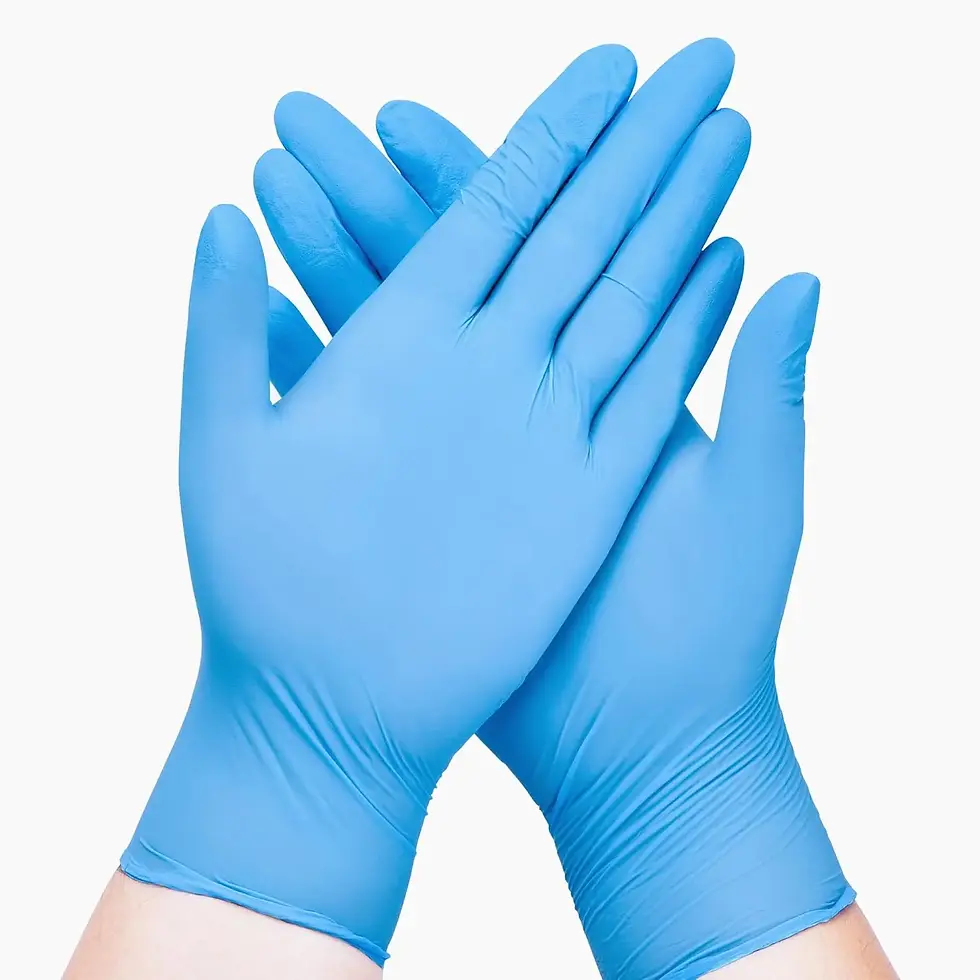
Medical gloves are your first line of defense against bloodborne pathogens and cross-contamination—never touch blood, body fluids, or open wounds without them. Whether you're controlling bleeding, treating injuries, or assisting someone in a medical emergency, gloves protect both you and the patient. I carry nitrile gloves because they're durable, puncture-resistant, and won't trigger latex allergies like traditional latex gloves can. Keep multiple pairs in your kit—gloves tear, get contaminated, or need to be changed between patients. This isn't about being squeamish; it's about staying safe so you can continue helping others. Gloves are non-negotiable in any medical response, and having them immediately accessible means you don't hesitate when someone needs help. I prefer pretty much any color other than black. Black makes it hard to see blood and even harder to write one. That's right, medical gloves are also a great notebook and are easy to write on - if they aren't black.

A headlamp keeps both hands free when you're working in the dark—critical for nighttime medical emergencies, power outages, or low-light situations where you need to see clearly while treating injuries. I use the Fenix rechargeable headlamp as my primary light for its brightness (700 lumens), runtime, and USB charging. I also keep multiple Black Diamond headlamps distributed across various kits and vehicles as reliable backups that won't let you down when it matters. Red light mode preserves night vision while white light illuminates the scene. Whether you're checking pupils, controlling bleeding, or searching through your kit at 2 AM, a headlamp turns impossible situations into workable ones. Flashlights require a hand; headlamps give you that hand back.

Uncontrolled bleeding is the number one preventable cause of death in trauma situations. I've seen firsthand how quickly severe bleeding can turn fatal—and how the right tools in the right hands can stop it. The bleeding control items in this kit aren't optional extras; they're the foundation of any serious medical setup. These are the tools that buy time until EMS arrives, and in critical situations, that time is everything. Whether you're dealing with a deep laceration, a penetrating injury, or a massive hemorrhage, these items give you the capability to intervene effectively and keep someone alive.

For a great z-fold gauze designed and packaged for wound packing, it's hard to beat anything from North American Rescue. NAR is one of the most trusted suppliers and manufacturers for combat casualty and prehospital care.
QuickClot is also a trusted name in bleeding control, especially for wound packing. QuickClot is used by the US military and people in harm's way all over the world. It is an advanced hemostatic gauze designed to get clots faster.

A tourniquet stops life-threatening arm or leg bleeding when direct pressure fails—it's the single most critical tool for severe hemorrhage. I carry North American Rescue CAT Tourniquets on my gun belts and in medical bags because they're the proven gold standard. But when space is tight, I switch to the Tactical Medical Solutions SOF Tourniquet Gen 5—it folds flat, packs smaller than a CAT, and features a metal windlass that won't fail under pressure. Apply high and tight on the limb, twist the windlass until bleeding stops, and you've bought critical time until EMS arrives. Seconds count in massive bleeding, and the right tourniquet saves lives.

Chest seals treat penetrating chest injuries—gunshot wounds, stab wounds, or any trauma that creates an open hole in the chest wall. Without a seal, air enters the chest cavity with each breath, collapsing the lung and causing life-threatening respiratory failure. I use North American Rescue HyFin Chest Seals because they're vented to release trapped air while maintaining an airtight seal over the wound. The adhesive sticks even on bloody, sweaty skin, and the large coverage area seals the entry wound completely. Wipe the area, peel and stick the seal, and you've stabilized a critical chest injury until advanced care arrives. Every trauma kit needs chest seals—chest wounds don't wait.

Another great addition to any medical kit is a quick-reference guide for emergency skills you can print and keep in your vehicle, range bag, or first aid kit. I've made one, and you can have it free.
Download my free On-Scene Responder Pocket Guide. This laminated-ready reference card covers scene safety, bleeding control, airway management, vital signs, shock recognition, and what to tell 911. It's the same guide I carry on calls—now you can have it too. Enter your email below, and I'll send it straight to your inbox, plus updates on new training and emergency tips you won't find anywhere else.
Having the right gear is only half the equation—knowing how to use it under pressure is what saves lives. I've built a comprehensive online medical training course specifically for regular people who don't do EMS for a living, but may find themselves as on-scene responders to people in need. The course teaches you the exact skills I use as a firefighter and EMT responding to real emergencies. Whether you need focused bleeding control training or want to complete the full medical emergency response course, you'll learn practical, life-saving techniques you can apply immediately.
Don't just carry the gear—master the skills that make the difference when seconds count.


Comments